Jay Abbott: The FBI Chief at the Center of the Nassar Investigation Failure
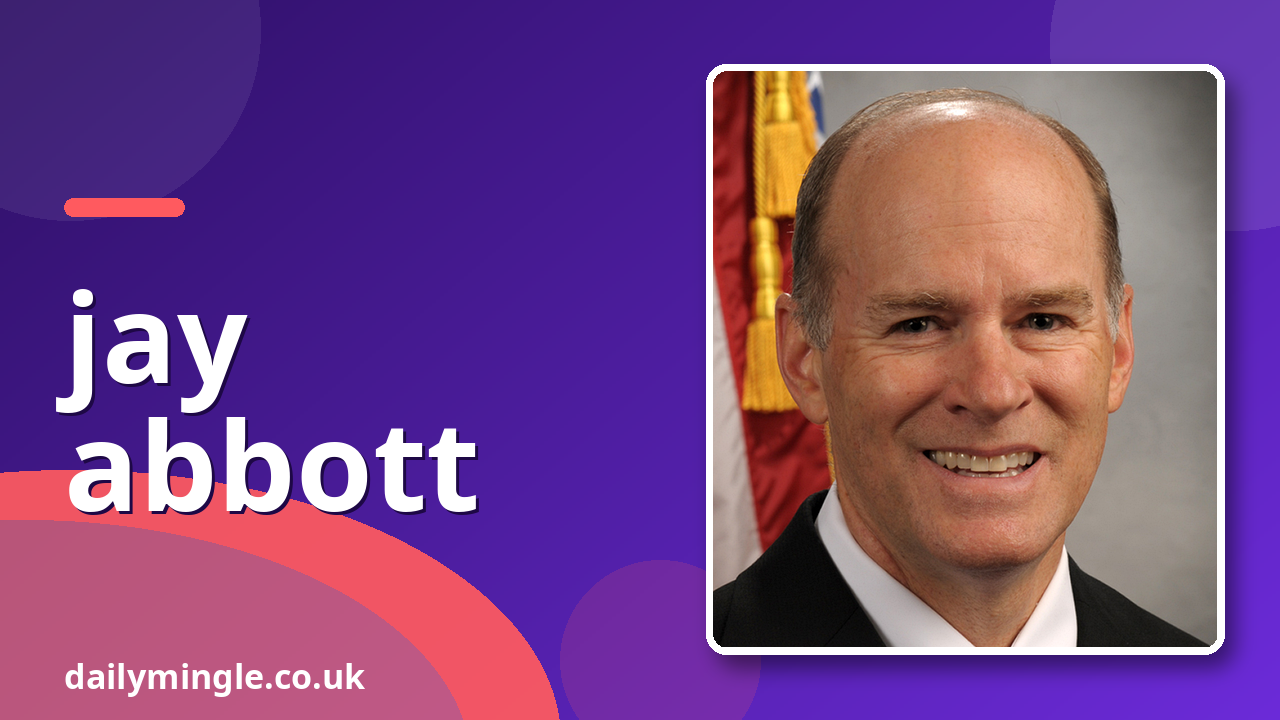
Jay Abbott: The FBI Chief at the Center of the Nassar Investigation Failure
For three decades, Jay Abbott climbed through the ranks of the FBI, working counterterrorism, public corruption, and some of the bureau’s most sensitive operations. But his legacy was ultimately defined by the case his office failed to act on: the sexual abuse allegations against USA Gymnastics doctor Larry Nassar.
As the special agent in charge of the FBI’s Indianapolis Division, Abbott was the bureau’s top official in the city where those allegations were first reported in 2015. A Justice Department inspector general’s report later found that his office mishandled the case and that Abbott himself made false statements to investigators and violated FBI policy. This is the verified story of Jay Abbott’s career and the investigation that overshadowed it.
| Jay Abbott — Key Facts | |
|---|---|
| Full Name | William Jay Abbott, known as W. Jay Abbott |
| Profession | FBI special agent (retired) |
| Joined the FBI | 1987, Washington Field Office |
| Top Role | Special Agent in Charge, FBI Indianapolis Division |
| Time in Indianapolis Role | July 2014 to January 2018 |
| Retired | January 2018, after about 30 years of service |
| Known For | Leading the Indianapolis Division during its handling of the Larry Nassar allegations, which the DOJ Inspector General later found was seriously mishandled |
A 30-Year Rise Through the FBI
Jay Abbott began his career as an FBI special agent in 1987 at the Washington Field Office, according to the FBI’s official announcement of his Indianapolis appointment. In Washington, he worked foreign counterintelligence and international terrorism matters. He was also part of the FBI’s first Cold Case Homicide Task Force, which partnered with the D.C. Metropolitan Police Department, and he served on the office’s SWAT team.
In 1997, Abbott moved to FBI Headquarters as a supervisory special agent in the Counterterrorism Division. That work led to his appointment in 2000 as an assistant legal attaché at the U.S. Embassy in Paris, where he liaised with French authorities on international terrorism matters.
He transferred to the El Paso Division in 2005 to supervise the public corruption squad. Three years later, he was promoted to assistant special agent in charge over the division’s Criminal and Administrative Programs, and he earned his FBI Intelligence Officer Certification along the way.
In March 2012, Abbott was appointed chief of the Global Operations Sections in the FBI’s Criminal Justice Information Services Division, later serving as acting deputy assistant director of its Information Services Branch. There, he worked on expanding the bureau’s ability to collect and share biometric information with intelligence partners. After a stint as acting special agent in charge in Seattle, FBI Director James Comey named him special agent in charge of the Indianapolis Division in July 2014.
The special agent in charge, or SAC, is the FBI’s top official in a field office, responsible for every investigation the division runs and every agent assigned to it. The Indianapolis Division covers the state of Indiana. It was a senior, trusted posting, and Abbott’s three decades of experience, from counterterrorism in Paris to biometrics at headquarters, made him a conventional choice for it. Nothing in his record before 2015 suggested the controversy that would follow.
The 2015 Report From USA Gymnastics
USA Gymnastics is headquartered in Indianapolis, which is why the organization brought its concerns to Abbott’s office. In the summer of 2015, its president, Steve Penny, reported allegations that team doctor Larry Nassar had sexually abused gymnasts. The allegations came from athletes at the top of the sport, and they described abuse disguised as medical treatment.
What happened next became the core of the scandal. According to the Justice Department’s inspector general, the Indianapolis office did not respond to the allegations with the urgency they required. Agents interviewed only one of the three athletes who had been identified as available to meet with them. The office did not transfer the matter to the FBI’s Lansing resident agency in Michigan, where Nassar lived and worked at Michigan State University, despite being advised to do so. It also did not notify state or local authorities, even while questioning whether the case fell under federal jurisdiction.
For more than a year, the allegations effectively stalled in Indianapolis. The case only gained real momentum after the Indianapolis Star published its investigation into Nassar in September 2016, a major piece of reporting that laid out the abuse allegations and the failures of the institutions around him. A separate complaint to Michigan State University police led to Nassar’s arrest in November 2016. He was later convicted and sentenced to what amounts to life in prison.
The delay mattered because Nassar had not stopped. Even after USA Gymnastics cut its ties with him in 2015, he remained on staff at Michigan State University until August 2016, continuing to see patients. During the period when the FBI’s Indianapolis office held the allegations without acting on them in Michigan, he continued to abuse gymnasts and patients who trusted him as a doctor.
What the Inspector General Found
In July 2021, the Justice Department’s Office of the Inspector General released a 119-page report on the FBI’s handling of the Nassar allegations. Its conclusions about the Indianapolis office were severe. As Reuters reported, the inspector general found that senior officials in Indianapolis failed to respond to the allegations “with the utmost seriousness and urgency that they deserved and required,” and that the office made “numerous and fundamental errors” when it did respond.
The report also carried a human cost. Citing civil court filings, the inspector general noted that roughly 70 women and girls were abused by Nassar between the time the FBI was first told of the allegations in July 2015 and his arrest by Michigan authorities in November 2016, abuse that survivors and their advocates argue a faster investigation could have prevented.
The findings about Abbott personally were among the report’s most damaging. The inspector general concluded that Abbott made materially false statements during his interviews with investigators, statements made “to minimize errors made by the Indianapolis Field Office in connection with the handling of the Nassar allegations.” A background summary of the case and its key figures is available in the reference profile of W. Jay Abbott.
The report was hardly kinder about the office’s day-to-day work. It faulted the write-up of the one athlete interview the office did conduct, a telephone interview with McKayla Maroney, finding that the supervisory agent’s account of it contained materially false statements and omissions. The FBI, in its official response, acknowledged that its employees had not responded to allegations of sexual abuse adequately or with the necessary urgency in 2015 and 2016, conduct the bureau itself described elsewhere as inexcusable.
The Olympic Committee Job
One episode drew particular criticism. While the Nassar allegations were before his office, Abbott discussed potential job opportunities connected to the U.S. Olympic Committee with Steve Penny, the USA Gymnastics president who had reported the allegations. Abbott later applied for a position there, though he did not get it.
The inspector general found that Abbott’s conduct showed extremely poor judgment and violated FBI policy. It also found that he twice lied to investigators about seeking the job. Penny’s lawyer later characterized the interactions as ordinary networking, but the inspector general’s findings stood as an official rebuke of the man who had overseen the office’s response.
Retirement and the Decision Not to Prosecute
Abbott’s time in Indianapolis ended well before the report became public. He announced his retirement in late 2017 and stepped down at the end of January 2018, closing a career of about 30 years, as Indiana Public Media reported. Bradley “Grant” Mendenhall, a counterterrorism expert, succeeded him in February 2018.
The inspector general referred its findings for possible prosecution, but the Justice Department declined to prosecute Abbott and a supervisory special agent in September 2020. That decision became public with the report in 2021, and in May 2022, after a further review prompted by new information, the department announced it was upholding the decision not to bring charges. In its statement, the department said the decision followed multiple reviews of the evidence and reflected the recommendation of experienced prosecutors.
The report’s release triggered a Senate Judiciary Committee hearing in September 2021, where gymnasts Simone Biles, McKayla Maroney, Aly Raisman, and Maggie Nichols testified about the failures, and FBI Director Christopher Wray apologized to survivors. The FBI said it accepted the inspector general’s findings in full, and it noted that the supervisory special agent involved was no longer a supervisor. That agent, later identified as Michael Langeman, was fired by the bureau in September 2021, shortly before the hearing.
Through his lawyer, Josh Minkler, Abbott responded to the report by thanking the law enforcement officers and prosecutors who brought Nassar to justice, and by expressing hope that the victims would find peace. He has otherwise kept a low public profile since retiring.
Frequently Asked Questions
Who is Jay Abbott?
William Jay Abbott is a retired FBI special agent who served as the special agent in charge of the bureau’s Indianapolis Division from July 2014 to January 2018. He joined the FBI in 1987 and held counterterrorism, public corruption, and senior leadership roles during a career of about 30 years.
What was Jay Abbott’s role in the Nassar case?
Abbott led the Indianapolis field office that received USA Gymnastics’ 2015 report of sexual abuse allegations against Larry Nassar. The Justice Department’s inspector general later found that the office failed to act on the allegations with the required urgency, and that Abbott made false statements to investigators and violated FBI policy by pursuing a U.S. Olympic Committee job while the matter was before his office.
Was Jay Abbott charged with a crime?
No. The Justice Department declined to prosecute Abbott in September 2020 and, after reviewing the decision again, confirmed in May 2022 that he would not face criminal charges. The inspector general’s findings concerned Abbott’s own conduct and statements; the abuse itself was Nassar’s crime alone.
When did Jay Abbott retire from the FBI?
He retired at the end of January 2018. He was succeeded as special agent in charge in Indianapolis by Bradley “Grant” Mendenhall in February 2018.
What is a special agent in charge?
A special agent in charge (SAC) is the senior FBI official who leads one of the bureau’s field offices. The SAC oversees all of the division’s investigations and personnel. Abbott held that role in Indianapolis, which is why responsibility for his office’s handling of the Nassar allegations centered on him.
What did the inspector general’s report conclude?
The July 2021 report found that the Indianapolis office failed to respond to the Nassar allegations with the utmost seriousness and urgency, made numerous and fundamental errors, and failed to notify Michigan or local authorities. It found that Abbott made materially false statements to minimize his office’s errors and violated policy over the Olympic Committee job discussions.
Conclusion
Jay Abbott’s career illustrates how a single failure can define a public record. His three decades in the FBI included counterterrorism work in Washington and Paris, public corruption cases in El Paso, and senior roles at headquarters. Yet he is best remembered as the official whose office received the first federal report about Larry Nassar and failed to act on it in time, a failure the Justice Department’s own watchdog documented in unsparing detail.
More in-depth profiles from Daily Mingle:
For more carefully researched celebrity biographies, visit Daily Mingle.